
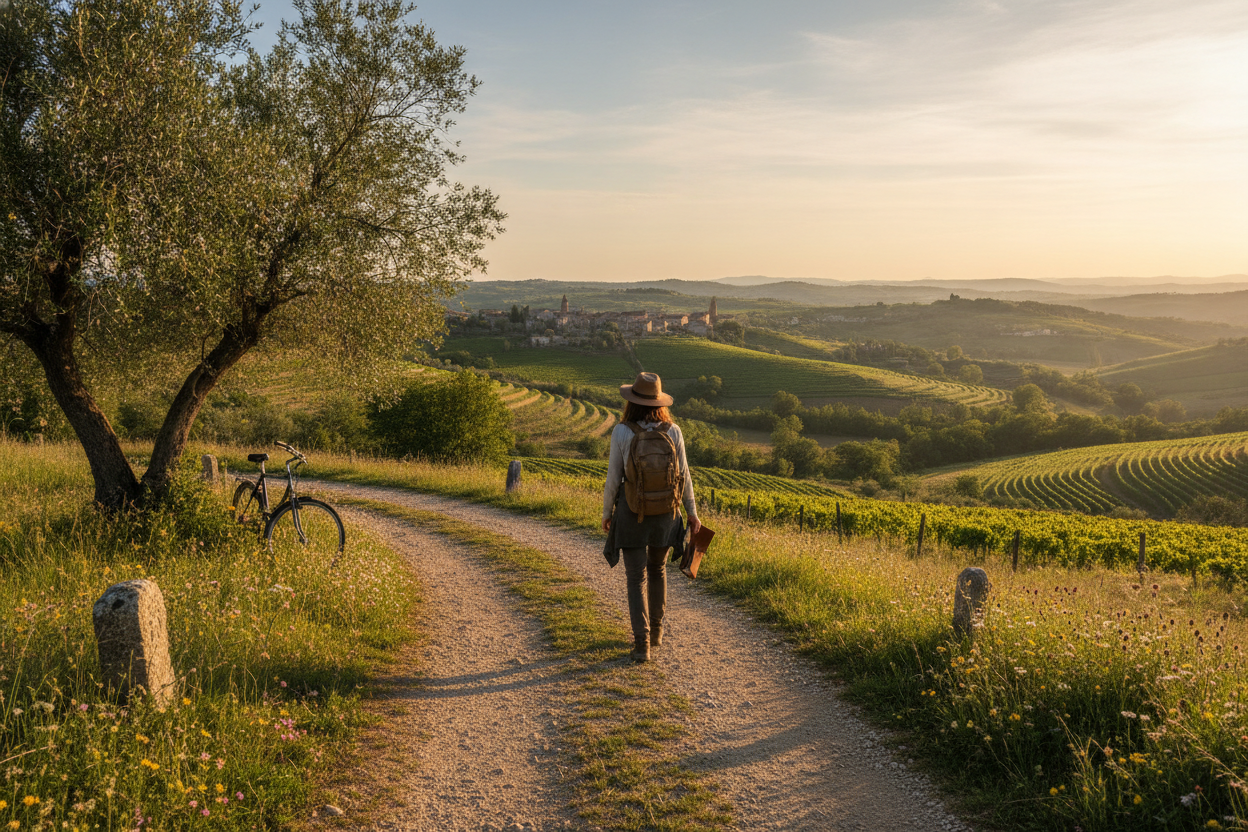
Slow travel invites you to stay longer, move less, and experience a destination with more depth. Instead of racing through a checklist, you focus on quality over quantity. That shift can make travel less exhausting and more rewarding, especially if you are trying to avoid the pressure of always seeing the next big thing.
Planning a slow trip begins with choosing fewer bases. Rather than changing hotels every night, spend several days in one neighborhood or town and let the area reveal itself gradually. You will often discover better cafés, quieter streets, and more meaningful interactions simply because you are not always in transit.
Slow travel also makes budgeting easier. Longer stays can reduce transport costs and create opportunities for weekly discounts or apartment-style lodging. Cooking a few meals, using public transit, and visiting free or low-cost local spots can stretch your budget without making the trip feel restrictive.
The mindset matters just as much as the itinerary. Leave gaps in your day for wandering, reading, people-watching, or doing nothing at all. Those pauses are not wasted time; they are part of how the experience settles in.
If you want travel to feel more sustainable, more personal, and less hurried, slow travel is worth trying. It asks less of your schedule and gives more back in memory, connection, and calm.
Leave a Reply